Nashville’s 2028 Olympics Guide: Everything You Need to Know About Soccer in Music City
Nashville is about to take center stage on the world's biggest athletic platform. When the 2028 Summer Olympics arrive in Los Angeles, Nashville will be one of the select American cities hosting soccer — and that means Music City is getting ready to welcome the world. Here's everything you need to know.
Nashville's Role in the 2028 Olympics
The 2028 Summer Olympics are headquartered in Los Angeles, but soccer — one of the most-watched events in the entire Games — will be spread across multiple U.S. host cities. Nashville has been confirmed as one of those venues, bringing Olympic-level competition to the heart of Tennessee for the first time in history.
For a city that has spent the last decade establishing itself as one of America's most dynamic destinations, hosting the Olympics is a validation of Nashville's arrival as a true world-class city. Expect hundreds of thousands of international visitors, unprecedented media coverage, and a citywide celebration that will make even CMA Fest look modest by comparison.
The Venue: Geodis Park
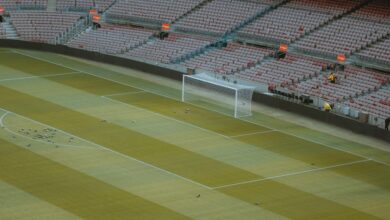
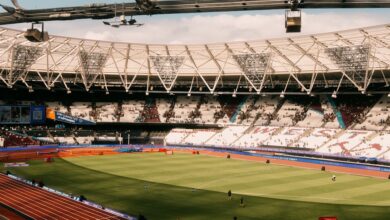
Olympic soccer in Nashville will be played at Geodis Park, home of Nashville SC in Major League Soccer. Opened in 2022, Geodis Park is the largest soccer-specific stadium in the United States and Canada, with a capacity of approximately 30,000 seats. Unlike many American football stadiums repurposed for soccer, Geodis Park has steep, close-to-the-pitch seating that creates an electric atmosphere — the kind European fans are used to but American soccer audiences rarely get to experience.
Located in The Nations neighborhood on Nashville's west side, the stadium was purpose-built for the beautiful game. For the Olympics, Geodis Park will undergo additional preparation to meet FIFA and IOC standards, including upgraded media facilities, enhanced security infrastructure, and expanded concourse capacity.
What Matches Will Be Played in Nashville?
Olympic soccer includes both men's and women's tournaments, with matches spread across multiple cities from group stage through knockout rounds. Nashville is expected to host group stage and potentially quarterfinal-level matches for one or both tournaments.
The men's Olympic soccer tournament features under-23 players with a small number of overage allowances — meaning fans will see the next generation of global superstars. The women's tournament is a full senior competition and one of the most prestigious women's soccer events in the world. Past Olympic women's tournaments have featured legendary performances from the U.S., Brazil, Germany, and Sweden, and 2028 should be no different.
Nashville fans should expect 3–4 matches across a 7–10 day window, with the possibility of knockout round games depending on final venue assignments.
How to Get Olympic Tickets
Olympic ticket sales are managed through the official LA28 website (la28.org). Tickets move through several phases: a general public lottery, priority sales for Olympic sponsor customers, then open sales for remaining inventory. Demand for soccer matches is always extremely high — the 2024 Paris Olympics saw matches sell out within hours.
The best strategy: register for ticket alerts at la28.org as early as possible, enter every lottery phase, and consider hospitality packages if standard tickets sell out. Nashville SC's official corporate hospitality channels may also have ticket allocations for local fans. Early group stage matches are your best shot at reasonable prices.
Where to Stay in Nashville During the Olympics
Nashville's hotel market will be stretched significantly during Olympic match weeks. The city has added thousands of hotel rooms in recent years — downtown alone has seen dozens of new properties open — but Olympic weeks will still require booking well in advance.
Downtown Nashville puts you closest to Broadway, the honky-tonk strip, and major entertainment. Hotels in The Gulch, 12South, Midtown, and East Nashville offer boutique options within reasonable distance of Geodis Park. Brentwood and Franklin to the south provide suburban alternatives with highway access.
The smartest move: if you can find accommodation in The Nations neighborhood itself, Geodis Park is a short walk and you skip every transportation headache. Book 12–18 months in advance once match dates are confirmed. Nashville regularly exceeds 95% hotel occupancy during major events.
Getting Around Nashville on Match Days
Nashville is a driving city, but Olympic match days will test its traffic infrastructure. Plan accordingly:
WeGo Bus runs routes near Geodis Park and will likely add Olympic-specific service. It's reliable and eliminates parking stress entirely. Ride-share will be heavily in demand — expect surge pricing and designated drop-off zones, and consider scheduling pickups several blocks from the stadium. Bikes and scooters via Nashville's BCycle network and Bird/Lime cover much of the inner city, and the ride from downtown to Geodis Park takes roughly 20 minutes on flat terrain.
What Else to Do in Nashville During Your Olympic Visit
If you're coming to Nashville for the Olympics, you're getting far more than soccer. Start on Broadway — the world-famous strip of honky-tonks runs live music almost 24 hours a day at legendary spots like Tootsie's Orchid Lounge, Robert's Western World, and Legend's Corner. It's where country music history gets made every single night.
The Country Music Hall of Fame and Museum is a must, with exhibits spanning the full history of country from Jimmie Rodgers through today's chart-toppers. The Ryman Auditorium — the original home of the Grand Ole Opry — offers tours and frequent live performances in one of the most acoustically perfect rooms in America.
For food: Nashville's hot chicken scene is legendary (Prince's Hot Chicken and Hattie B's are both worth the wait), the restaurant scene in The Gulch has exploded with upscale options, and a meat-and-three lunch at Arnold's Country Kitchen is as authentically Nashville as it gets.
Why Nashville's Olympic Moment Matters
For a city that has grown by hundreds of thousands of residents over the last decade, attracted billions in corporate relocations, and become one of America's most-visited tourist destinations, the 2028 Olympics represents something bigger than a sporting event. It's a global announcement.
Nashville is no longer a regional destination or a niche music city. It's a world-class metropolis ready to host the world. Whether you're a soccer fanatic, a casual Olympics viewer, or a Nashville local proud of your city, 2028 is going to be a moment to remember. Start planning now — the tickets will not last long.