CMA Fest: The Complete Guide to Nashville’s Biggest Country Music Week
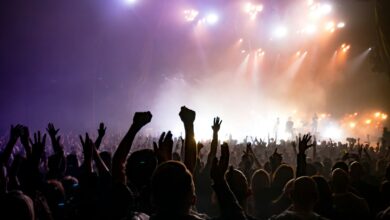
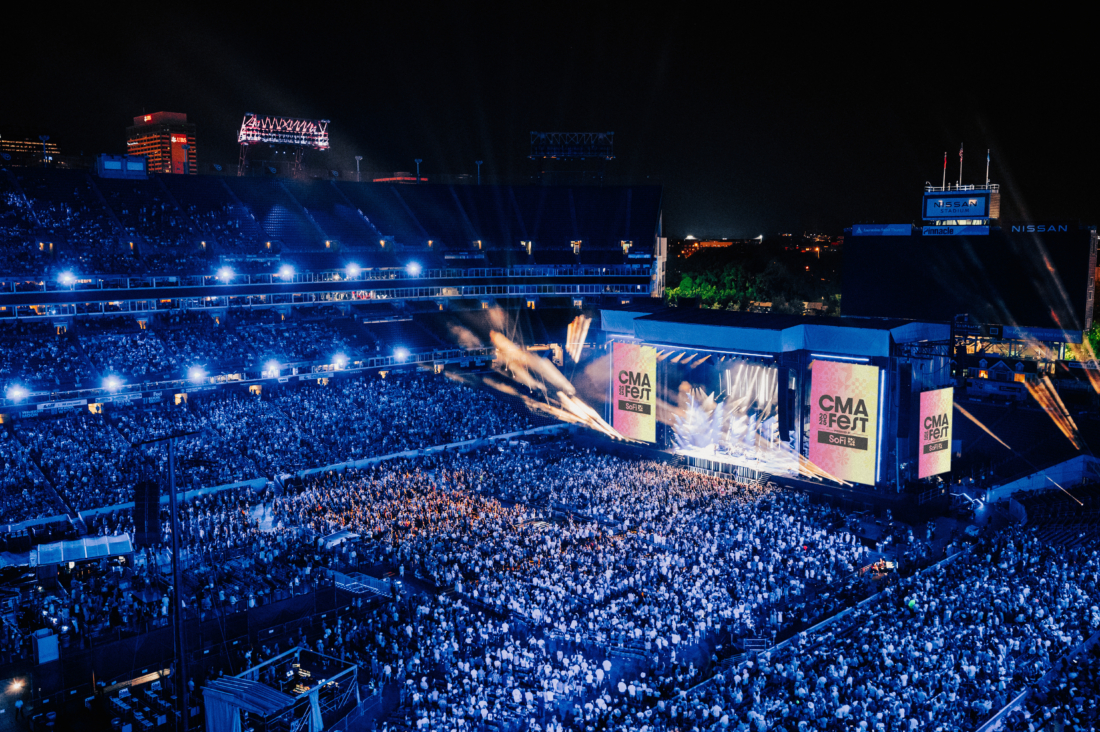
For four days every June, downtown Nashville is the loudest, most country-music-saturated place on earth. CMA Fest brings hundreds of thousands of fans into the city, takes over Nissan Stadium for stadium nights, blankets Broadway and the riverfront with free daytime stages, and transforms the surface-level energy of Music City into something more concentrated than even Broadway can normally muster. This is the complete guide — history, venues, tickets, strategy, and the things locals know that first-time fans don't.
A short history — from Fan Fair to CMA Fest
The event started in 1972 as Fan Fair, a small gathering organized by the Country Music Association (CMA) as a chance for country music fans to meet the artists they followed. Early Fan Fairs were intimate by modern standards — held at the Tennessee State Fairgrounds, with autograph booths, performances, and a tight-knit feeling that long-tenured country fans still talk about.
The festival outgrew the fairgrounds. It moved downtown, took over Riverfront Park, expanded onto Broadway, and eventually got its current name — CMA Music Festival, often shortened to CMA Fest. The format evolved with it. Stadium nightly headline shows replaced the original autograph-booth model. Free daytime stages spread across multiple downtown locations. The fan experience expanded from a single-venue meet-and-greet to a four-day downtown takeover.
What hasn't changed: the proceeds from CMA Fest's nightly stadium shows are donated by the artists to the CMA Foundation, supporting music education. Artists play CMA Fest for free, which is part of why the lineup is consistently extraordinary — it's a charity show as much as a festival.
The venue map — where the music actually happens
CMA Fest spreads across multiple downtown Nashville venues. The big four anchor points:
Nissan Stadium (East Bank) — The nightly stadium shows. This is where the biggest names play, where the festival's biggest production happens, and where the ticketed evening experience lives. Capacity around 69,000. Sound check, lighting, the works. The Pedestrian Bridge from downtown to Nissan Stadium becomes a river of fans every evening around showtime.
Ascend Amphitheater — On the west side of the river along the riverfront. Sit-down amphitheater shows during the day with mid-major artists. Often part of CMA Fest's ticketed wristband program for premium experiences.
Riverfront Park stages — Free daytime performances. Multiple stages along the river. This is where you catch rising artists, emerging acts, and the kind of intimate country performances that don't translate to stadium scale.
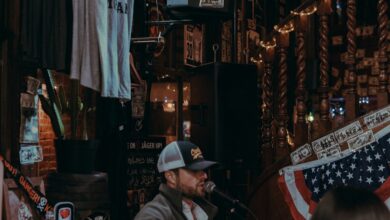
Broadway and downtown stages — Free outdoor performances on stages set up on or around Broadway. This is the heart of the daytime CMA Fest experience. You'll see fans wandering between honky tonks and outdoor performances, with country music spilling out of every doorway.
Beyond the anchors, there's typically additional programming at the Bridgestone Arena, the Wildhorse Saloon (when it's still operating), various honky tonks, and venues along Music Row. The full festival map is published each year and is worth printing or saving offline — cell service downtown during CMA Fest can be spotty under the load.
Ticket strategy — what's worth paying for
CMA Fest's ticketing is layered. Understanding the layers saves money and increases what you get.
Four-day stadium passes — The flagship ticket. Includes admission to all four Nissan Stadium night shows. Sold by section and price tier. The premium sections include hospitality access; standard sections are stadium seating. Available on-sale typically the prior summer for the next year — fans who go every year buy as soon as they go on sale.
Single-night stadium tickets — Sometimes available as singles for specific nights. Useful if your schedule only allows one or two nights, or if you want to target the night with the headliner you most care about.
Free daytime stages — The Riverfront, Broadway, and outdoor downtown stages are free and open to the public. No wristband, no ticket. Show up and you're in. This is the underrated half of CMA Fest, and the half locals exploit.
Wristband programs — Specific premium experiences (early-entry stages, hospitality, meet-and-greets) are sold as wristband add-ons. Worth it if you want guaranteed access to the meet-and-greet model that made Fan Fair famous.
Hotel packages — Bundled hotel + ticket packages from official CMA partners. Sometimes a good deal when downtown hotels are otherwise sold out at peak rates.
For first-timers, the four-day stadium pass + free daytime stages combo is the high-leverage play. You see every headliner, you wander Broadway and the riverfront for free during the day, and you don't have to optimize over wristband add-ons.
For locals who don't want to commit to four nights of stadium, just doing the free daytime programming is a legitimate way to enjoy CMA Fest without buying a ticket.
Where to stay
Downtown hotels (Omni, Marriott, JW Marriott, Hilton, Westin) are the most convenient — walk to everything — but they sell out early and prices spike. Booking 9-12 months ahead is standard for fans coming in from out of town.
Slightly outside downtown — The Gulch, Germantown, East Nashville, SoBro. All within a short Uber or a long walk to the festival footprint. Prices are typically lower than downtown proper and the neighborhoods themselves offer their own dining and nightlife.
Outer ring — Brentwood, Franklin, Mt. Juliet, Murfreesboro. Hotel prices stay closer to normal during CMA Fest week, but you're committing to a 20-40 minute Uber each direction. Reasonable if you'd rather sleep in a quieter hotel and don't mind the commute.
Airbnb / short-term rentals — Inventory exists across the metro. Confirm the listing is licensed to operate as STR (Davidson County has rules) before booking. Some neighborhoods have stricter zoning than others.
Where to eat during CMA Fest week
Downtown restaurants run at maximum capacity. Reservations help; walk-ups for the popular places will involve a wait. A short list of approaches:
- Hatch Show Print to Bridgestone walking radius — Acme Feed & Seed, The Stillery, Merchants, The 404 Kitchen if you can get in
- Off-Broadway escape — Husk, Etch, Bastion, City House in Germantown, Rolf and Daughters in Germantown
- Honky tonk food upstairs — Several Broadway honky tonks have upstairs restaurants that are easier to get into than the street-level chaos. See our Nashville Honky Tonks guide for the breakdown
- Hot chicken pilgrimage — Hattie B's (multiple locations), Prince's (the original), Bolton's. Lines are long. Worth it
- Late-night food — Broadway has 24-hour pizza and food carts; Robert's serves a famous fried bologna sandwich; Bourbon Street Blues has Cajun until late
Eat early, eat late, or eat between stage sets. Lunch from 12 to 2 is the busiest dining window of the year.
What locals do during CMA Fest
Locals split into two camps. Engagers — they buy the stadium passes, they wear the festival wristbands, they treat CMA Fest like a hometown holiday. Avoiders — they leave town for the week, rent out their downtown condos to fans, and come back when the riverfront's been cleaned up.
For locals who engage, the smart pattern is:
- Stadium nights at Nissan for the big shows
- Free daytime stages to discover artists you haven't heard yet
- Restaurants in non-downtown neighborhoods for dinner — let the tourists fight for Broadway tables
- Pedestrian Bridge for walking back to downtown from Nissan Stadium with the crowd
- Hotel pool day if you've splurged on a downtown room
- Skip Broadway during peak chaos unless you really want the experience — locals often watch from the second-floor balconies of honky tonks rather than ground level
Best free events at CMA Fest
The free programming is the underrated jewel:
- Riverfront stages — Multiple stages along the river with free daytime performances
- Broadway block stages — Outdoor performances on and around Broadway throughout the day
- The Spotlight Stage (and similar emerging-artist stages) — Where you discover the country artist who'll be selling out arenas in three years
- Songwriter rounds — Often free or low-cost, hosted at venues like the Bluebird (separately bookable) or pop-up rooms downtown
- Family-friendly daytime activities — Specific programming targeted at fans bringing kids
If you have no ticket budget, you can still spend four days at CMA Fest entirely on the free programming and have a legitimately great festival experience.
Accessibility tips
CMA Fest works hard on accessibility, but downtown Nashville in June with 200,000 extra people is challenging for any mobility-impaired fan. A few practical notes:
- Nissan Stadium has accessible seating across multiple price tiers and accessible parking. Book early
- Pedestrian Bridge is the most popular route to Nissan but involves a long walk. Accessible shuttle and rideshare drop-off are alternatives
- Riverfront and Broadway are largely sidewalk-navigable but the crowds are dense at peak times
- Heat is the underrated accessibility issue — Nashville in mid-June is humid and hot. Hydrate aggressively, pre-cool, take indoor breaks
- Cell service can be spotty under the crowd load. Pre-download maps and ticket confirmations
- Restrooms — The festival adds capacity, but lines are long at peak. Build them into the schedule
Bottom Line
CMA Fest is the biggest country music week in the world, and it owns downtown Nashville for four days every June. Whether you go all-in with four-day stadium passes or stick to the free riverfront and Broadway stages, the festival rewards anyone willing to walk the venues, discover new artists, eat well, and embrace the crowds. The CMA Foundation gets the proceeds, the city gets the energy, and the country music ecosystem gets its annual moment of full-volume celebration. If you're coming from out of town, book early. If you live here, decide which camp you're in — engager or avoider — and commit.
NashVegas.com is your local guide for Nashville entertainment, events, and music — from honky tonks to festivals to the venues making Nashville the live music capital. Sister sites: Murfreesboro.com, MtJuliet.com.