The Economic Impact of the 2028 Olympics on Nashville: What the Numbers Say
When a city hosts Olympic events, the economic effects are measurable, significant, and distributed across sectors in ways that benefit both large businesses and small ones. For Nashville, hosting Olympic soccer in 2028 represents a windfall that economists estimate will generate hundreds of millions in direct and indirect economic activity — with the hospitality, restaurant, transportation, and retail sectors positioned to benefit most.

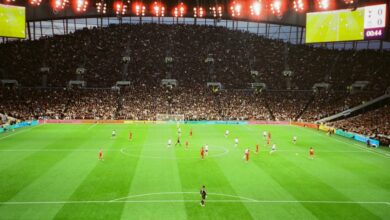
The direct spending estimates come from a combination of visitor attendance data from previous Olympic host cities and Nashville-specific hospitality capacity modeling. Olympic soccer matches at GEODIS Park will bring international visitors — fans, athletes, officials, media, and their entourages — to Nashville for periods ranging from a few days to several weeks. Those visitors spend money on hotels, food and beverage, transportation, shopping, and entertainment at rates significantly above typical tourists, because Olympic travel is discretionary and aspirational spending.
Hotels are positioned to benefit most immediately. Nashville's downtown and midtown hotel inventory will be at full capacity during the Olympic soccer window, with rates reflecting the demand premium. Hotels within a reasonable distance of GEODIS Park — the Nations neighborhood and West Nashville — are likely to see particular pricing power. If you own hospitality property in Nashville, the 2028 Olympics are a planning horizon item worth attention right now.
The restaurant and entertainment sector will see elevated demand particularly during the evening hours surrounding matches. Broadway, the Gulch, and 12 South will be the primary beneficiaries, but the effect will be felt across the city's food and beverage landscape.
Beyond direct visitor spending, the Olympics generate significant media value for the host city. Nashville's brand — the music, the culture, the skyline, the character of the neighborhoods — will appear in broadcasts reaching hundreds of millions of viewers worldwide. That earned media, which can't be bought at any price, is one of the most valuable long-term benefits of Olympic hosting.
What the latest tourism numbers show
Davidson County visitors spent a record $11.6 billion in 2025, up 3.5 percent from 2024, according to a Nashville Convention & Visitors Corp. release dated Aug. 31, 2026. Visitors made 17.4 million day and overnight trips that year. That is the most recent baseline for the city's visitor economy, not a forecast for 2028.
Olympic estimates: what exists and what does not
As of Nov. 13, 2026, an official economic estimate for the Olympic soccer matches from the Nashville Convention & Visitors Corp., LA28 or the Metro Sports Authority has not been confirmed. Sports Authority minutes dated Sept. 17, 2026 contain no Olympic impact figure.
Capacity arithmetic and the 2022 precedent
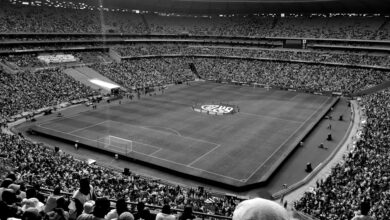
GEODIS Park seats about 30,000 according to its website. Nine matches at full capacity would total 270,000 seats, which is a ceiling and not a forecast. For context, a 2022 report prepared for the Nashville Convention & Visitors Corp. put the economic impact of a World Cup bid at nearly $700 million for four matches at Nissan Stadium. It assumed about 160,000 out-of-state fans who would not otherwise visit. Nashville did not win that bid, and economists quoted in coverage questioned those assumptions, including whether hotels had spare room.
Public money and the stadium
A 2022 Sycamore Institute report found that $225 million in municipal bonds for GEODIS Park would be repaid with local sales taxes collected on site. The same report notes that most economists find new stadiums rarely generate enough new activity to offset public subsidies. Those figures date from 2022.
What research says about Olympic hosting
A 2016 review by Baade and Matheson in the Journal of Economic Perspectives concluded that in most cases the Olympics are a money-losing proposition for host cities. LA28 says the 2028 Games will be the first since 1948 to build no new permanent infrastructure, relying instead on existing venues such as this one.