The Complete Bonnaroo Camping Guide: Everything Tent Campers Need to Know Before They Hit the Farm
Bonnaroo Music and Arts Festival is one of the greatest camping experiences on earth — four days of legendary music, art, community, and Tennessee summer heat on a 700-acre farm in Manchester, just 60 miles south of Nashville. If you're going the traditional route with a tent or a basic camping setup, this guide is built specifically for you. General Admission camping at Bonnaroo is a rite of passage, and doing it right makes the difference between a transcendent experience and four days of misery. Read this before you pack a single thing.
1. Understand the Campsite Layout Before You Arrive
Bonnaroo's camping is organized into numbered “Centeroos” and lettered camping pods radiating outward from the main stage area. Campsites are not reserved — it's first-come, first-served within each pod. The closer pods to Centeroo fill fastest and are the most convenient, but they're also the loudest and most chaotic. Pods farther out offer more breathing room and quieter nights at the cost of a longer walk. Study the Bonnaroo app map before arrival and decide your priority: proximity to stages, proximity to exits, quiet camping, or family-friendly areas. Having a clear target pod before you hit the gate saves enormous time and decision fatigue on arrival day.
2. Arrive on Wednesday for Best Campsite Selection
Gates typically open Wednesday afternoon, with the main programming beginning Thursday evening. Arriving Wednesday is the single biggest upgrade you can make to your camping experience. You'll have your choice of sites, time to set up properly before the heat of the day, and a full evening to get your bearings before the festival kicks into gear. Thursday arrivals can still find good spots but will be navigating heavier traffic and will have less selection. Friday arrivals are camping wherever is left. If you can take Wednesday off work or adjust travel plans, do it — the difference in campsite quality is substantial.
3. Pack for Tennessee Summer Heat — It Is Serious
Bonnaroo happens in June in middle Tennessee, where daytime temperatures routinely hit 90–100°F with high humidity. Heat exhaustion and heat stroke are real dangers, and they happen every year. Your tent is going to be an oven during the day — plan accordingly. Bring a reflective tent footprint or a mylar emergency blanket to place over your tent during peak sun hours. Pack a battery-powered fan for overnight comfort. Bring more sunscreen than you think you need (SPF 50+ minimum), a wide-brim hat, UV-blocking shirts, and cooling towels. Hydration is not optional: aim for a minimum of one gallon of water per person per day, more if you're dancing in direct sun.
4. Your Tent and Sleeping Setup
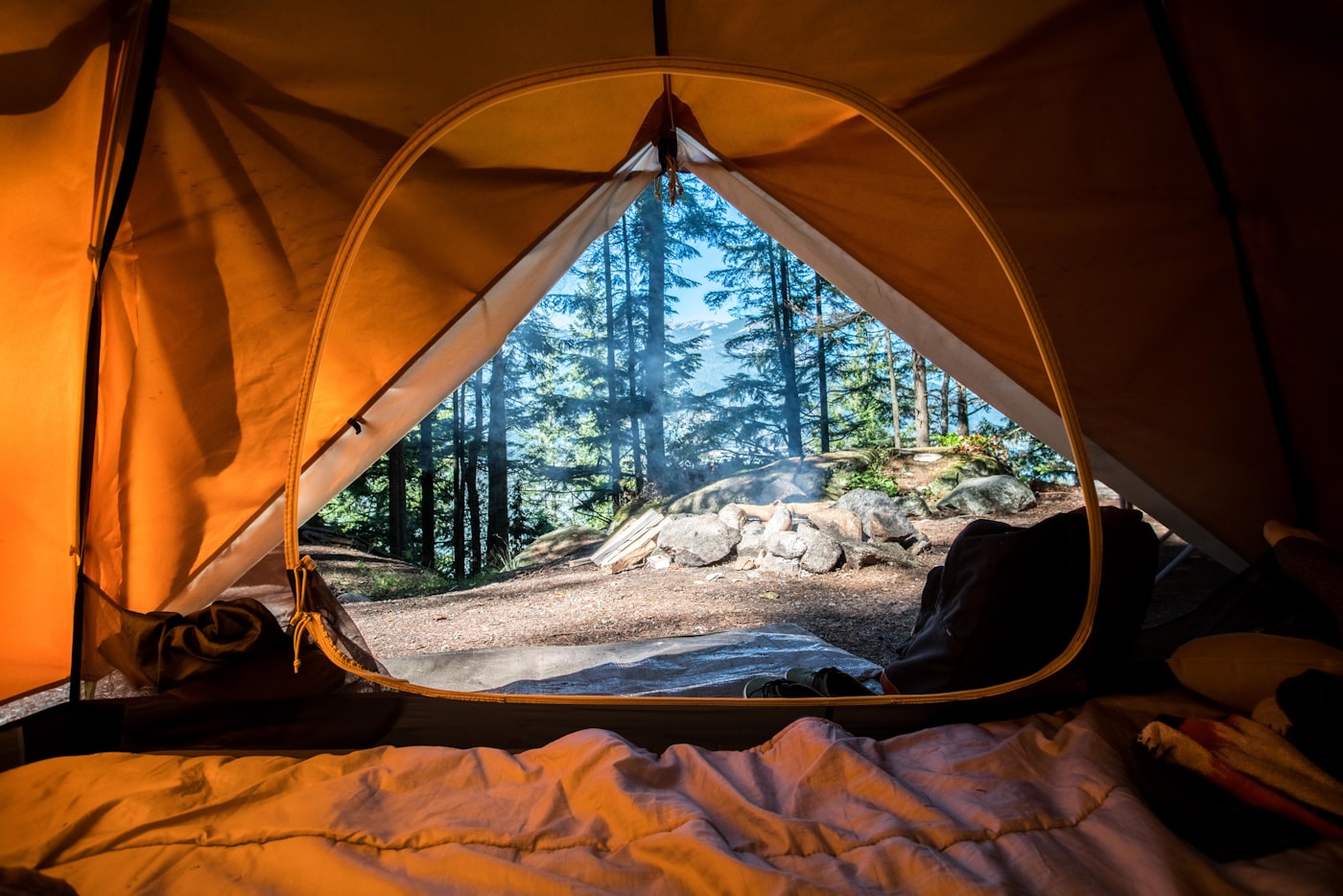
Choose a freestanding tent that's easy to pitch in any ground condition — the Bonnaroo field can be dry, dusty, or muddy depending on the year. A three-season tent rated slightly larger than your group (a two-person tent for one person, a four-person tent for two) gives you room for gear and breathing space overnight. Bring a sleeping pad for insulation and comfort regardless of temperature — even warm nights benefit from cushioning on firm ground. A light sleeping bag rated to 50–60°F or a camping blanket handles the cool Tennessee nights. Stake your tent completely even if it seems calm — afternoon thunderstorms can arrive fast and hit hard.
5. The Essential Bonnaroo Packing List
Veterans have refined this list through years of experience. Your must-haves: a refillable water bottle (Bonnaroo has free water refill stations throughout), a camelback or hydration pack for all-day use, a portable phone charger (10,000mAh minimum), cash for vendors, a small backpack or fanny pack, earplugs for both hearing protection and sleeping near loud camps, a headlamp with fresh batteries, wet wipes (showers exist but lines are long), biodegradable soap, toilet paper, hand sanitizer, a rain poncho, a small first aid kit with blister treatment, comfortable close-toed shoes for crowded areas, and sandals for camp. Leave the glitter-heavy outfits for after you've nailed the basics.
6. Navigating Showers, Bathrooms, and Hygiene
Bonnaroo offers both free portable toilets scattered throughout the campsites and paid shower facilities. The free toilets get rough by day three — bring your own toilet paper and hand sanitizer, go early morning when lines are short, and locate your nearest facilities before you desperately need them. The paid showers ($7–$10 per use) are absolutely worth it for a mid-festival refresh, especially before a big headliner night. Lines are shortest in the early morning or late afternoon. Wet wipes are your daily essential: a quick wipe-down each morning keeps you functional and significantly more comfortable in the heat.
7. Food, Cooking, and Camp Kitchen Strategy
Bonnaroo allows you to bring your own food and non-glass beverages into the campsite. A well-stocked camp kitchen dramatically reduces your spending and ensures you eat properly when you're deep into a four-day festival. Bring a small camping stove, instant oatmeal or granola for mornings, trail mix, electrolyte packets, peanut butter, crackers, and pre-packaged easy meals. A soft-sided cooler with ice (purchasable on-site) keeps drinks and perishables cold for two to three days. Pre-made meals in zip-lock bags that just need hot water are ideal for exhausted post-show evenings. The Bonnaroo food vendors inside Centeroo are excellent but expensive — budget $40–$60 per day if you plan to eat inside the festival.
8. Getting Your Car Positioned Right
You can drive your vehicle into your campsite at Bonnaroo, which serves as both shelter, cooler storage, and charging station (run the engine briefly). The critical rule: once you park and set up your tent, your car essentially stays put for the festival. Moving within the campsite is extremely difficult once it's full. So position your vehicle intentionally: ideally with the trunk or tailgate accessible as a camp kitchen counter and supply station, with shade on the right side in the afternoon if you can read the sun angle, and not blocking your neighbors' ability to move. A sun shade for the windshield significantly reduces interior temperature and keeps any food or supplies you left in the car from roasting.
9. Camp Neighbors Make or Break the Experience
Your immediate camping neighbors at Bonnaroo are some of the most important people you'll meet at the festival. The community at “The Farm” is legendary for its friendliness — introduce yourself when you arrive, share snacks or cold drinks when you can, and establish expectations early about music levels at 3 AM. Most Bonnaroo campers are incredible. Very occasionally you'll land next to a camp with a sound system that runs until dawn — if diplomacy fails, Bonnaroo's campsite staff and security can help mediate. The spirit of “Radiate Positivity” runs deep at the festival, and most issues resolve naturally with a conversation.
10. Staying Safe and Healthy Throughout the Weekend
Beyond heat management, there are practical safety basics worth nailing. Always attend the festival with a buddy system and agree on meeting points if you get separated (cell service can get congested). Know where the medical tents are located before you need them — they're staffed by real medical professionals and are non-judgmental. Look out for signs of heat exhaustion in people around you: pale or red skin, confusion, stopping sweating in the heat. The Bonnaroo “Centeroo” has shaded areas, misting stations, and cooling zones — use them liberally during afternoon hours. At night, the temperature drops and crowds shift. It's easy to lose track of how many miles you've walked in a day, so hydrate and eat even when you don't feel like it.

11. Building Your Set Schedule Without Burning Out
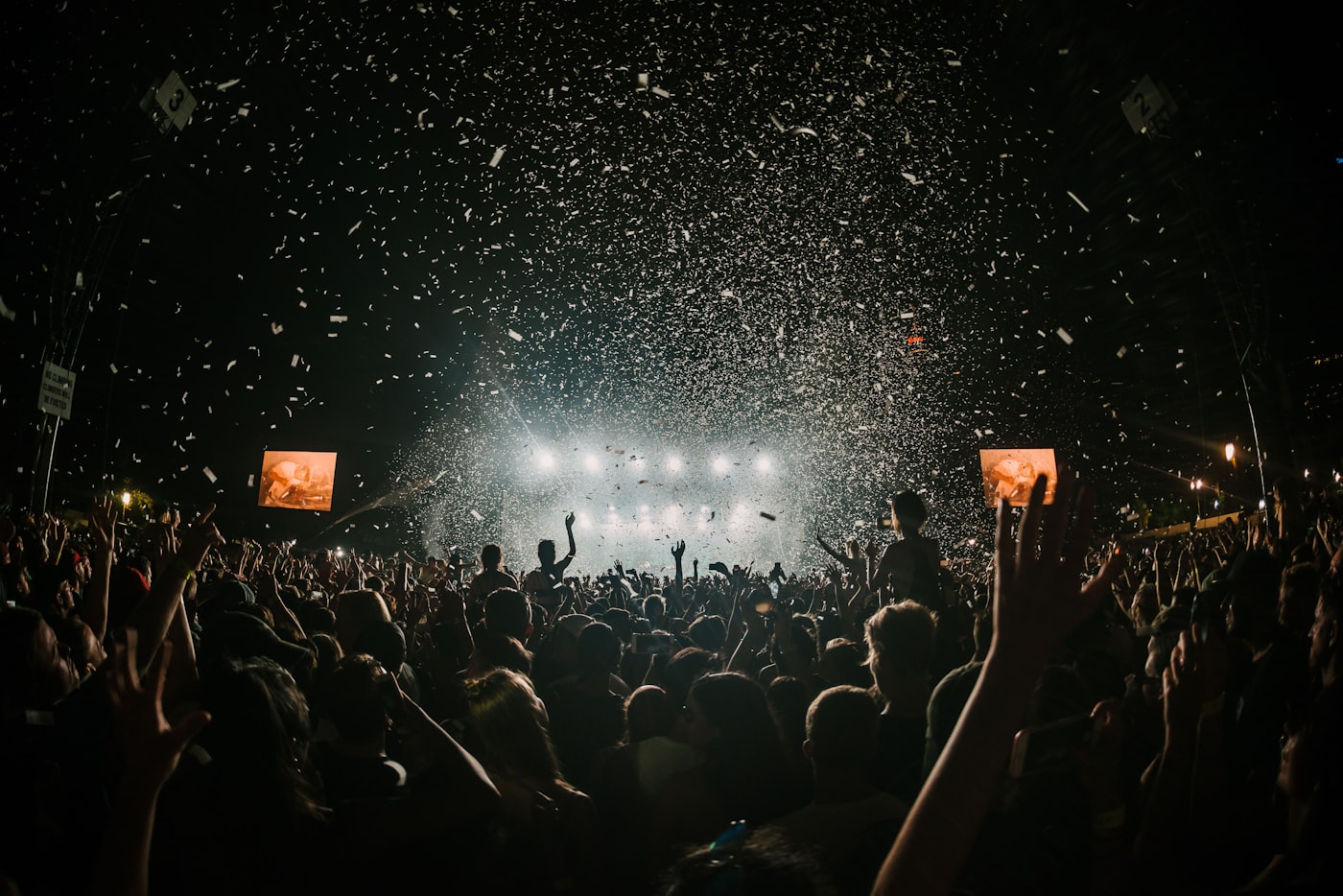
Bonnaroo runs on a staggered schedule across multiple stages, and the rookie mistake is trying to see everything. You cannot. The festival is designed for you to roam, discover, and make choices. Build your must-see list — your five to ten non-negotiable performances — and let everything else be serendipitous. Accept that you will miss sets you wanted to see, and that you will stumble across acts you'd never heard of and leave them as your favorite discovery of the weekend. Rest is part of the strategy: a two-hour nap mid-afternoon sets you up for a midnight headliner far better than grinding through the full day and collapsing before the finale.
12. Making the Most of the Bonnaroo Community Experience
Bonnaroo is as much an arts and community festival as it is a music event. Between sets, explore Centeroo's art installations, pop-up comedy shows, late-night silent disco, interactive experiences, and the remarkable diversity of people who make the pilgrimage to the Farm every year. The trading of wristbands, the gift economy in the campground, the spontaneous drum circles and acoustic sets — these are part of the Bonnaroo experience that no set list can capture. Leave enough unscheduled time to wander without purpose. Some of the best Bonnaroo memories happen between the headliners.
Tent camping at Bonnaroo is genuinely one of life's great experiences — if you prepare properly. Respect the heat, respect your neighbors, pack intentionally, and approach the whole thing with patience and openness. The Farm rewards those who show up ready to receive it. See you in Manchester.