Why Nashville Hosts America’s Most Musical New Year’s Eve — A Brief History
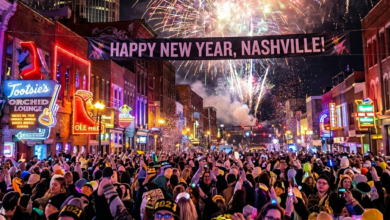
Nashville's identity as a New Year's Eve destination didn't happen overnight. It was built deliberately, through decades of investment in live music infrastructure, tourism development, and a clear-eyed understanding that what Nashville offers — live country music, an entertainment district built for crowds, and a genuine cultural identity — is exactly what people want to celebrate the end of a year.
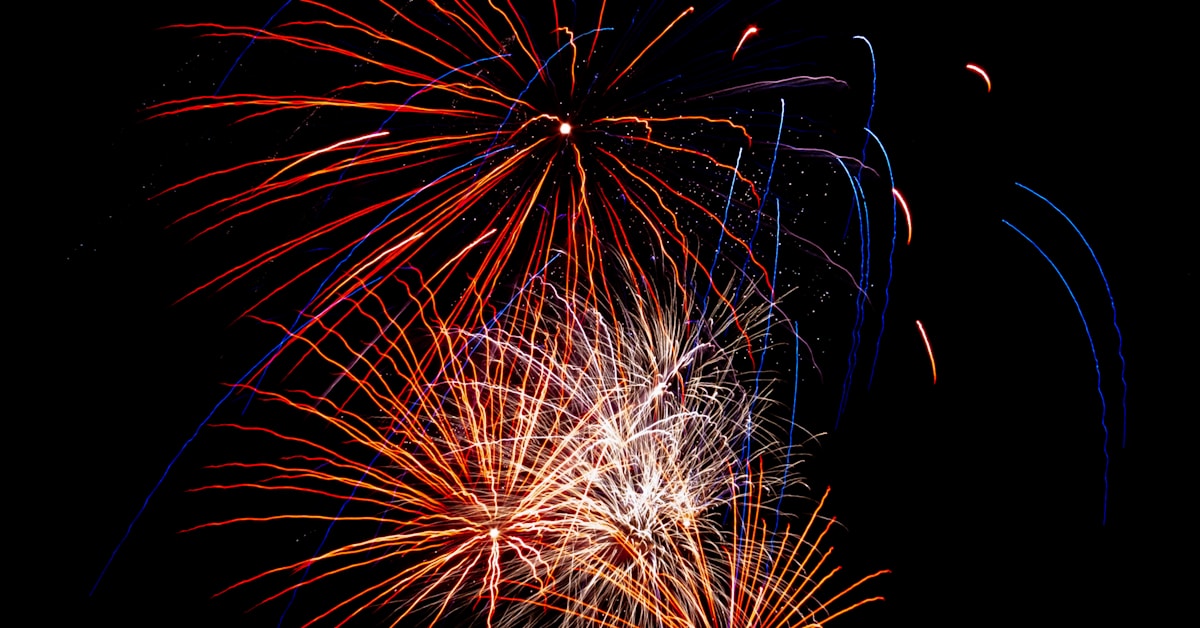
The Music City Midnight event formally launched in the late 1990s, when Nashville's Lower Broadway was in the early stages of its transformation from a declining commercial strip to what it is today. The guitar drop — conceived as a uniquely Nashville answer to Times Square's ball — was introduced as the event's signature visual element and immediately resonated. It was authentically local in a way that generic fireworks displays are not.
The CBS broadcast partnership came later, and it changed the event's scale and reach significantly. Suddenly, Nashville's New Year's Eve was a national event rather than a regional one. Tourism increased, hotel capacity expanded, and the production values of the on-street event grew to match the broadcast's requirements. Today, the New Year's Eve Live: Nashville's Big Bash special consistently ranks among the most-watched New Year's Eve programs on network television.
What hasn't changed — and what city planners and the tourism board work hard to protect — is the authentic character of the celebration. Broadway's honky-tonks still run their own independent programming. The free stages still draw artists who perform because they want to be there. The city doesn't feel like a corporate event; it feels like Nashville threw a party and invited everyone.
That's a hard thing to manufacture. Nashville doesn't have to try — it's just what happens when a city built on live music decides to celebrate the new year.