$3,500 Just to Get in Line: How Super Bowl LXIV Tickets Will Actually Work
The confetti question arrived about ten minutes after Nashville was awarded Super Bowl LXIV: how do I get in?
Four years out, that sounds like a joke. It is not. The mechanics of a Super Bowl ticket start moving almost immediately after a city is selected, and the first real door — the one already open — is not a ticket sale at all. It is a deposit.
The deposit, in plain terms
On Location, the NFL's official hospitality provider, has opened priority access for Super Bowl LXIV. Getting into that queue costs $3,500 per guest.
Two things about that number matter more than its size. First, it is fully refundable. Second, if you do buy, it is applied toward the final cost of your package rather than charged on top of it. It is a place-holder, not a fee.
What the deposit buys is position: first access to official packages when they are released, first crack at the better seats and experiences, early-bird pricing, and flexibility to adjust plans as the date gets closer. Those official packages are hospitality bundles — the seat plus premium food and beverage, hosted entertainment and on-site service — not bare tickets.
What it does not buy
It does not buy a ticket. It does not lock a price. And it is emphatically not the only way into the building.
Every Super Bowl distributes a large share of its seats through channels no deposit can reach: the participating teams, the host club, the league's own allocations, and a public random-draw lottery the NFL typically runs a year or so out. Anyone whose plan is “get into the game as cheaply as possible” should be watching for that draw, not writing a four-figure check in 2026.
The deposit is aimed at a specific buyer — corporate groups, hospitality budgets, people who want the weekend handled rather than assembled. If that is not you, patience is a legitimate strategy.
The thing nobody is thinking about yet
Here is the part that will actually decide whether an ordinary Nashvillian enjoys that week: rooms, not seats.
A Super Bowl does not fill a stadium so much as it fills a city. A stadium's worth of people go to the game; several times that number come to town anyway, for the parties, the media compound, the fan events and the simple fact of being here. Every host city in the last two decades has watched hotel inventory inside the core get contracted out years in advance by the league, the teams, sponsors and hospitality operators. What is left reprices accordingly.
Nashville already knows this rhythm — it is the CMA Fest problem multiplied. The practical implication is that lodging decisions for early 2030 will be made well before ticket decisions are, and locals with a spare room will be the ones setting the price rather than paying it.
🎟 Book your stay in Nashville »
Where the rest of this stands
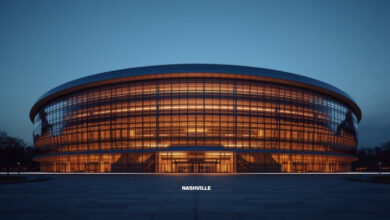
The building itself is the reason any of this is happening. The new enclosed Nissan Stadium — about 2.1 million square feet — is targeted to open in 2027, and it has already begun taking event bookings for conventions and trade shows well ahead of the doors opening. The roof is what made Nashville viable as a February host in the first place.
Meanwhile, the least glamorous preparation is the furthest along. Federal planners have been working the 2030 security problem for months already, treating the recent World Cup as the template.
Four years is a long runway. It is also, for a city that has never done this before, not very long at all.