Historic Nashville Landmark to Get Major Mixed-Use Development
One of Nashville's most iconic music landmarks is set for a major transformation. The owners of the historic United Record Pressing property have unveiled plans for a large mixed-use development in the Wedgewood-Houston neighborhood while preserving the legendary record pressing building that has been part of the community since 1962.
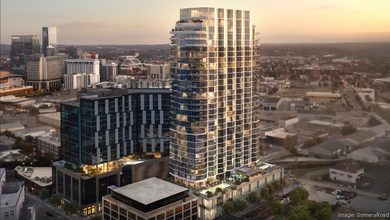
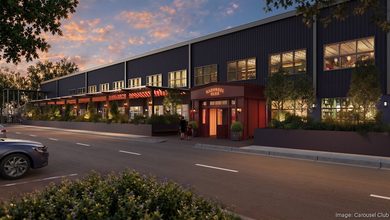
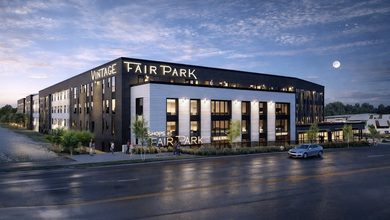
The proposal includes a 14-story boutique hotel with 175 rooms, a restaurant, café, retail space, and a rooftop terrace, along with a six-story office building offering approximately 60,000 square feet of office space and a nine-story condominium building with ground-floor retail. More than half of the property is planned to remain open as green and public space, with the historic Motown Suite also being preserved.
The rezoning request is scheduled to go before Metro Planning on August 13.
The Building's History on Chestnut Street
The pressing business that became United Record Pressing traces its roots to 1949, when it began as a pressing plant formed by the Nashville label Bullet Records, according to company histories. The Chestnut Street building has housed the operation since 1962, under the company or its predecessor, Southern Plastics. The company was renamed United Record Pressing in 1971 after new management took over. Accounts credit founder Ozell Simpkins with designing the building and the pressing machines inside it.
The upstairs apartment, known as the Motown Suite, is among the building's best-known features. Histories say it gave lodging to Black artists and music executives who were in town to record but were refused rooms in hotels because of segregation laws in Tennessee at the time. One account names The Supremes and Smokey Robinson among the people who stayed there. Accounts differ on exactly when the suite was created.
The company moved its main operations to a larger plant at 453 Allied Drive in 2017. Other reporting describes the Chestnut Street building as not a designated historic landmark, while the company has said it intends to preserve the building. That distinction matters for the redevelopment, because the preservation commitments in the current plan are not the same as a landmark designation.
What Happens Next in the Approval Process
The rezoning request is the first formal step the project needs in order to move forward. Metro Planning staff review rezoning requests, and the Planning Commission and Metro Council then act on them. Those decisions are recorded in public meeting minutes and council legislation, which are the best sources for the final terms of any approval.
Update, Nov. 13: The rezoning request was scheduled for Metro Planning on August 13, 2026. The outcome of that hearing has not been reported, so the status of the request has not been confirmed.