Nashville’s Music History Tour: From the Ryman to Music Row, and Every Sacred Stop Between
Nashville’s music history isn’t behind glass in a single museum — it’s embedded in the city’s streets, its recording studios, its churches, and its honky-tonks. You can spend a day following the thread of American music from the 1920s radio era through the classic country golden age to the modern industry that still centers itself here more than anywhere else in the world. This is how to do it right.
Start at the Ryman Auditorium
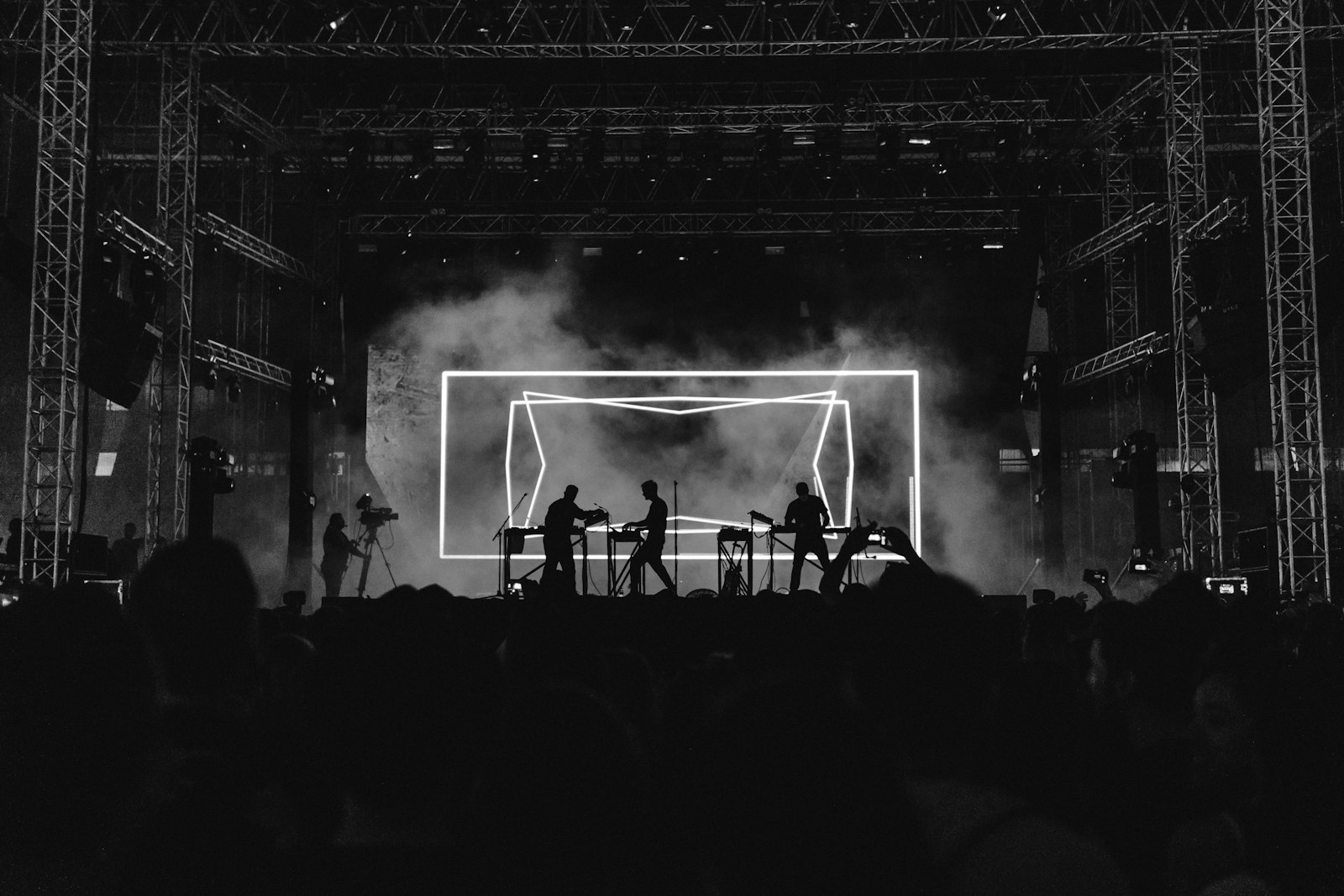
The Ryman is the right place to begin. Built in 1892 as a tabernacle, it became the home of the Grand Ole Opry from 1943 to 1974 and hosted nearly every significant figure in country, folk, and gospel music during those years. The Grand Ole Opry Show moved to the Opryland complex in 1974, but the Ryman was restored in the 1990s and now operates as one of the most acoustically perfect concert venues in America. Daytime tours of the building are excellent — the sanctuary, the backstage corridors, the dressing rooms where Hank Williams and Patsy Cline prepared to go on, all accessible and explained in context. If there’s a show on during your visit, go. Pew seating, terrible sightlines, extraordinary sound, and an atmosphere that makes the hair stand up regardless of who is performing.
Walk Music Row
Music Row is a residential neighborhood turned global music industry center, running along 16th and 17th Avenues South between Demonbreun and Wedgewood. The labels — Sony Music Nashville, Universal Music Group Nashville, and their associated publishers and management companies — occupy renovated Victorian homes and purpose-built industry buildings along these two streets. RCA Studio B at the corner of Music Square West is the most historically significant recording studio in country music history: Elvis Presley, Dolly Parton, Willie Nelson, Chet Atkins, and hundreds more recorded there. Tours of Studio B run through the Country Music Hall of Fame and should be booked in advance. The studio’s console, the isolation booth, the reverb chamber, all of it intact and contextually explained.
Country Music Hall of Fame and Museum
The Country Music Hall of Fame deserves at least three hours and rewards visitors who don’t rush. The permanent collection traces the roots of country music from its Appalachian and Scots-Irish folk origins through the commercial Nashville Sound era, the outlaw movement, the stadium era, and the contemporary diversity that defines the genre today. The rotating special exhibits are consistently excellent — recent installations have covered Dolly Parton’s complete archive, Johnny Cash’s visual art, and the evolution of country music video. The Hall of Fame rotunda, where each inductee’s medallion is mounted in the curved wall, is genuinely moving in a way that’s hard to explain and easy to experience. Combination tickets with Studio B are available and represent the best value in Nashville music tourism.
Ernest Tubb Record Shop and the Midnight Jamboree
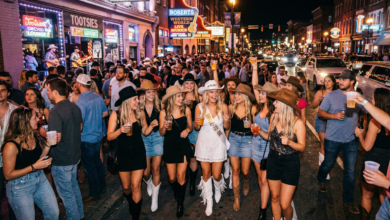
The Ernest Tubb Record Shop at 417 Broadway has been selling country music records since 1947, when the Texas Troubadour opened it as an extension of his own career. The shop hosts the Midnight Jamboree — a live radio broadcast on Saturday nights after the Grand Ole Opry ends — which has featured surprise appearances from visiting artists for decades. The record selection covers country from its earliest commercial recordings through today, and the staff’s knowledge is encyclopedic. Across the street, Tootsie’s Orchid Lounge has a documented history of serving as the unofficial backstage for Opry performers who needed a drink between sets during the Ryman years; the alley connecting Tootsie’s to the Ryman’s stage door is a few steps behind the building.
The Grand Ole Opry at Opryland
The Grand Ole Opry Show has run continuously since 1927, making it the longest-running live radio program in American history. The modern Opry House in the Opryland complex holds about 4,400 people and runs shows on Friday and Saturday nights most of the year, with additional Tuesday and Thursday performances in peak season. The format is unchanged from the Ryman era: a rotating lineup of country acts, comedians, and legacy artists, announced by an Opry announcer in the classic tradition. Tickets sell through the Opry website; the best seats sell out weeks ahead for peak summer dates. Behind-the-scenes tours of the Opry House are available during daytime hours, including access to the circle of wood from the original Ryman stage that is embedded in the center of the Opry House stage — a piece of floor that has been walked by virtually everyone important in country music history.
Printer’s Alley and the Night Owl History
Printer’s Alley, a short block between Church and Commerce Streets in downtown, was Nashville’s jazz and blues club district from the 1940s through the 1980s — the city’s answer to Beale Street or Bourbon Street during its peak years. The clubs are largely gone now, replaced by bars serving a different clientele, but the Bourbon Street Blues and Boogie Bar maintains something of the tradition, and the physical alley itself is worth walking simply to stand in a place where Chet Atkins, Waylon Jennings, and Etta James all performed at different points in the same block’s history. It connects to an understanding of Nashville’s Black musical tradition that the country music narrative sometimes obscures.